Silver Murti for Home Mandir: The Full Devotional Collection
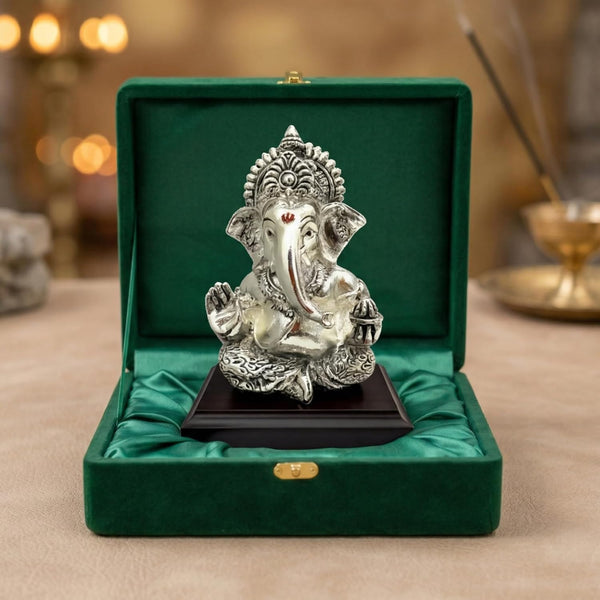
If you have been searching for a silver murti for your home mandir, this is the full-range collection: every full-form deity idol Dev Aastha makes, gathered in one place. A murti (मूर्ति) is the complete standing or seated form of a god or goddess used for daily puja, not a face plaque or a decorative figurine. Whether you want a first god murti for a new home, a murti for home mandir upgrade, or a specific hindu god idols for a family tradition, this page holds the range: Balaji, Hanuman, Ganesha, Lakshmi, Krishna, Saraswati, Vitthal Rukmini, Shiva, Buddha and more, all in the same honest silver plating.
Silver Plated Murti vs Solid Silver: What You're Actually Buying
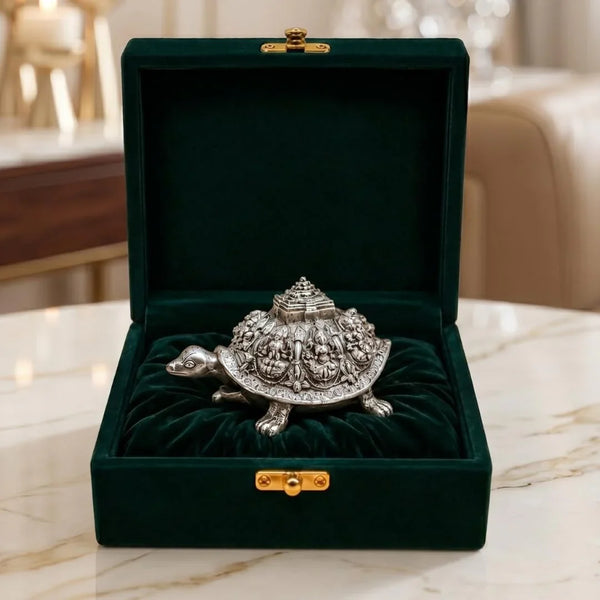
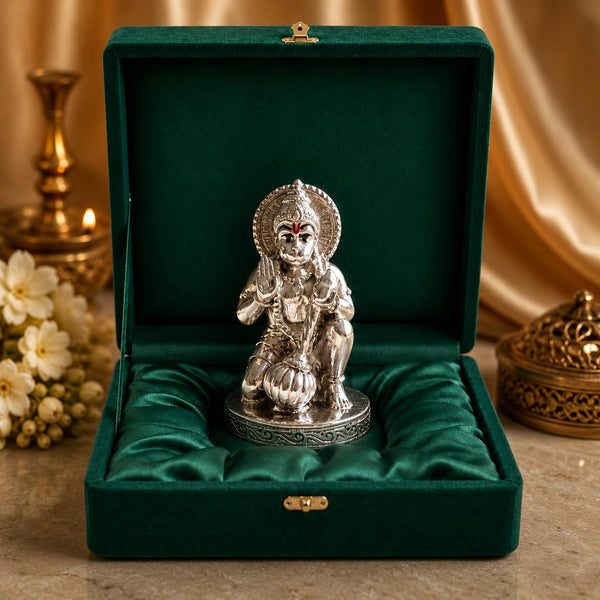
Search for "silver murti" today and the results are dominated by jewellers selling 92.5 or 999 solid silver idols, hallmarked and priced from a few thousand rupees to well over a lakh for a single Balaji or Durga piece. That is a real category, but it is a jewellery purchase, not a devotional one for most households. Dev Aastha's murti collection is different, and we say it plainly: every piece here is pure silver plating over a handcrafted resin core, not solid metal. You get the same bright silver lustre a solid piece shows on the shelf, the same intricate iconographic detailing, at a fraction of the weight and the cost. If you specifically want a hallmarked solid silver idol, a jeweller is the right place; if you want a silver plated murti that looks the part in daily puja and gifting without a jewellery-level bill, this collection is built for you.
Choosing the Right Size for Your Mandir
The murtis in this collection run from 2 inches to 10 inches, and the right size depends on where the murti will sit. A 2 to 3 inch murti suits a personal devotion corner, a travel puja box, or a car dashboard. A 3.5 to 5 inch murti is the most common family-mandir size, comfortable on a shelf alongside two or three other deities. A 5.5 inch and above murti works as the central, standalone piece on a dedicated mandir platform or as a statement gift. Vastu guidance is consistent across traditions: keep the murti no taller than the worshipper's forearm for home use, and avoid oversized pieces in small mandirs.
Placement: Direction and Position for a God Murti
Most Vastu traditions place the home mandir in the northeast corner (Ishaan kona), with the murti facing east or north so the worshipper faces east or north while doing puja. Keep the murti at eye level when seated, in a clean and well-lit spot, away from bedrooms, bathrooms and the space directly under a staircase. Deity-specific notes sit on each product page; as a general rule, Ganesha or Lakshmi at the centre of a multi-deity mandir, with Hanuman or Balaji to the side, is a widely followed layout for a hindu god idols shelf. Once the arrangement feels shubh and settled, keep it consistent rather than rearranging often, a stable mandir supports a stable daily puja habit.
Occasion Fit: Navratri, Dhanteras and Diwali 2026
This is a collection people buy into around the festival calendar. Navratri (11 to 20 October 2026) is when Saraswati and Durga-linked murtis move fastest, as households add a goddess murti to the mandir for the nine nights. Dhanteras (6 November 2026) is traditionally when families buy a new silver piece for the home, and Diwali (8 November 2026) is when a fresh murti for home is installed alongside the Lakshmi puja. Wedding season, November through February, is also steady demand: a murti is one of the most common gifts for a couple's first home mandir. None of these occasions require buying new, but each is a natural, auspicious reason to.
Bestselling Murtis in This Collection
A few pieces that represent the range and the price spread:
- Vitthal Rukmini Silver-Plated Idol (₹1,499): the Pandharpur form of Krishna with Rukmini, a devotional favourite for households that follow the Vitthal-Rukmini tradition, and a piece we get asked for by name.
- Standing Balaji Silver-Plated Idol (₹1,999): Lord Venkateswara in the traditional standing posture, correct crown, abhaya and varada mudra detailing, the most requested full-form murti in this collection.
- Standing Hanuman Silver-Plated Idol (5.5", ₹3,999): the full-standing form with mace and mountain, a protective murti for the entrance or south-facing wall of the home.
- Silver-Plated Saraswati Idol (3.7", ₹1,499): the goddess seated with veena, the right choice for a study corner and a common Navratri addition.
- Kamdhenu Cow with Calf Silver-Plated Idol (2", ₹1,049): the most compact and accessible murti here, a natural first silver murti for a new home or a griha pravesh return gift.
Gifting a Silver Murti
A murti is one of the few gifts in Indian tradition that carries meaning beyond the object itself, it says you want the divine present in someone's new beginning. Griha pravesh, a couple's new mandir after the wedding, Navratri and Diwali exchanges, and Dhanteras gifting for family or clients are the occasions that call for a murti specifically over a generic decor gift. Every silver plated murti in this collection ships in Dev Aastha's gift packaging, ready to present without extra wrapping or a price tag on the inner box.
Caring for Your Silver Plated Murti
Wipe the murti with a soft, dry microfibre cloth after daily puja to keep the plating bright. Skip water immersion, silver dip solutions and abrasive polishes, they strip the plating rather than clean it. If your puja includes an abhishekam or water offering, keep it brief and dry the murti immediately after. Store it in a dry spot away from humidity, and a silver plated murti from this collection holds its shine through years of daily devotion.