Elephant Vastu: Trunk Up vs Down, Direction & Placement

Last updated: 10 July 2026 · 12 min read · By Meera Iyer, Vastu & Home Harmony
Key takeaways
- In elephant vastu, the elephant stands for strength, wisdom, and steady good fortune, which is why a pair at the entrance is such a loved choice.
- Place elephants in the North, East, or North-East, and let a pair at the door face inward, as if walking into your home.
- A trunk-up elephant is linked to prosperity and rising luck; a trunk-down one is linked to fertility, patience, and grounding. Both are correct, so choose by intention.
- Keep the statue on a raised, clean surface, avoid bedrooms and bathrooms, and never keep a chipped or broken idol in display.
An elephant is one of the easiest and warmest symbols to bring into an Indian home. It carries the calm of Ganesha, the strength of a guardian, and the charm of a lovely showpiece, all at once. The question most families ask is simple: where does it go, and which way should it face? Getting the elephant vastu right turns a pretty statue into a small anchor of good energy for the whole house.
This guide answers that honestly, including the places where different Vastu sources disagree. We cover meaning, direction, the trunk-up versus trunk-down debate, room-by-room placement, pair versus single, materials, the Rahu connection, and the small mistakes worth avoiding.
On this page
- What does an elephant mean in Vastu, and is it good luck?
- Which direction should an elephant statue face?
- Trunk up or trunk down: what each one means
- Where to place an elephant in the house, room by room
- Pair or single elephant: which should you choose?
- Silver, brass, wood or crystal: choosing the material
- The silver elephant and Rahu: the astrology angle
- How to place and settle an elephant statue
- Mistakes to avoid and simple care
- Frequently asked questions
What does an elephant mean in Vastu, and is it good luck?
Yes, in Vastu an elephant is a strong symbol of good luck. It stands for four qualities: strength, wisdom, stability, and wealth. An elephant statue is meant to invite these into your family life. That is why it is one of the most popular vastu items for the home.
The link runs deep in Indian culture. The elephant is the form of Lord Ganesha, the remover of obstacles, and the mount of Indra, the king of the gods. Airavata, Indra's white elephant, is described as a bringer of rain and abundance. So an elephant in the house quietly echoes all of that meaning, not just decoration.
Different elephants are believed to carry slightly different energy:
- A pair of elephants: harmony, partnership, and protection, ideal near the main door.
- A mother with a calf: fertility, family bonds, and the wish for children.
- A single strong elephant: personal power, focus, and authority, suited to a desk or office.
With the meaning clear, the next practical question is which way the statue should look.
Which direction should an elephant statue face?
The best directions for an elephant statue are North, East, and North-East. These zones are tied to wealth, new beginnings, and positive energy in Vastu. Where the statue faces then depends on where you put it and what you want it to do.
For a pair kept at the main entrance, the classic rule is to have both elephants facing inward, as if they are walking into your home. This is believed to carry prosperity and protection in with them, rather than sending it out of the door.
Choose the direction by your goal:
- Wealth and career: place the elephant in the North (the zone of Kubera, lord of wealth) and let it face into the room.
- Learning and clarity: the East or North-East suits a study, with the elephant facing the person who sits there.
- Protection at the door: a pair on either side of the entrance, facing inward toward the house.
One point most sources share: avoid pointing a lone elephant so it faces straight out of the main door, since that is read as luck leaving. Direction settled, the trunk is the next big decision, and it is the one people worry about most.
Trunk up or trunk down: what each one means
Both a trunk-up and a trunk-down elephant are lucky in Vastu. They simply signal different intentions. A raised trunk is linked to rising luck and joy. A lowered trunk is linked to fertility, patience, and grounded strength.

Here is the honest picture, because this is where a lot of online advice oversimplifies:
- Trunk up: the most popular choice. It is seen as showering blessings, luck, and energy upward, so it suits homes and workplaces that want prosperity and momentum.
- Trunk down: often misread as negative, but traditionally it stands for fertility, longevity, and steady, grounded growth. Many couples hoping for a child choose it on purpose.
- Trunk curled holding a coin or lotus: a wealth-drawing form, popular on a work desk or near a cash box.
The takeaway is calm and simple. If someone tells you a trunk-down elephant is bad luck, that is a modern misunderstanding. Pick the trunk that matches your wish, keep it clean and well placed, and it works in your favour. Next, let us settle the exact spots room by room.
Where to place an elephant in the house, room by room
The short answer: entrance, living room, study, and bedroom are all good homes for an elephant, while the kitchen, bathroom, and clutter corners are not. Match the room to the kind of luck you want.
| Location | Verdict | Why |
|---|---|---|
| Main entrance (pair, facing in) | Best | Welcomes protection and prosperity into the home |
| Living room (North / North-East) | Great | Invites harmony and warm family energy |
| Study or office desk (North) | Great | Supports focus, wisdom, and authority |
| Bedroom (couple, mother-calf pair) | Good | A gentle symbol for fertility and a strong bond |
| Kitchen / bathroom / under stairs | Avoid | Not treated as auspicious or clean zones |
A few practical notes make each spot work better. At the entrance, keep the pair on a small console or side ledge, not on the bare floor where feet pass. In the living room, a North or North-East shelf at seating height keeps the statue in view and cared for.
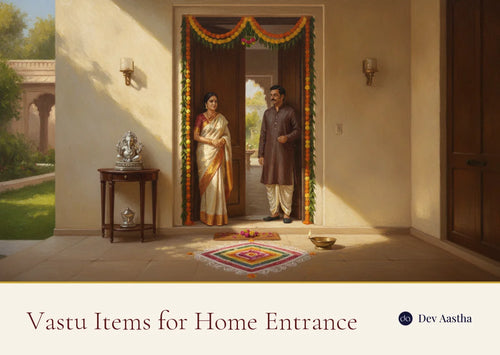
On a work desk, a single elephant on your left or in front, facing you, is the usual placement for concentration. In a bedroom, a couples-and-calf set on a dresser is a soft, meaningful touch. If Vastu directions feel confusing, our guide to Vastu items for the home entrance walks through the main door zone in more detail.
Once you know the room, the next choice is whether to bring home one elephant or two.
Pair or single elephant: which should you choose?
Choose a pair for protection and partnership, and a single elephant for personal strength and focus. Neither is luckier than the other. They serve different purposes and different spaces.
A pair of elephants is the go-to for the main entrance. Two guardians on either side, facing in, is one of the most loved protective placements in Vastu. The balance of two also stands for a healthy bond between partners. A mother-and-calf pair adds the meaning of fertility and family.
A single elephant shines where you want one clear point of strength: a study, a reception desk, a shop counter, or an office. It reads as authority and steady leadership, which is why elephants are such a common gift for someone starting a new job or a business.
A simple way to decide:
- Front door or couple's room: a pair.
- Desk, office, or a personal goal: a single.
- Hoping for a child: a mother with a calf.
With the count decided, material is what sets the look, the budget, and how the piece catches light in your space.
Silver, brass, wood or crystal: choosing the material
Pick an elephant by material based on the mood and budget you want. Each one carries a slightly different feel in Vastu. Brass is the old favourite, while silver, wood, and crystal each suit different homes.

What to expect from each material:
- Brass: the classic Vastu choice, warm golden tone and very durable. Solid pieces can be heavy and pricey.
- Wood: grounding and calm, and easy on the budget, though it needs care against damp and termites.
- Crystal or glass: a modern, decorative look linked to clarity, but delicate.
- Silver-plated: a bright silver gleam that feels premium and festive, without the cost of solid silver.
Our elephant pieces are pure silver plating over a finely detailed core, hand-finished so the trunk, ears, and jhula stay crisp. A silver-plated elephant pair like this one gives you genuine silver lustre and comes gift-ready. They are not hallmarked solid silver, and we never pretend otherwise; the appeal is the finish and craft at a fair price. You can see more animal and Vastu forms in our Vastu items collection.
On size, let the space lead. A slim pair of a few inches suits a console or shelf, while a larger single elephant can anchor a big living room. Keep it in proportion so the piece feels intentional, not crowded. There is also a specific astrology reason many people choose a silver elephant, which is worth understanding.
The silver elephant and Rahu: the astrology angle
A silver elephant is often suggested as a remedy for Rahu dosha. This is the restless energy linked to the shadow planet Rahu in Vedic astrology. The elephant's steady, grounding nature is believed to calm that influence.
In this tradition, Rahu is associated with confusion, sudden ups and downs, and scattered focus. The elephant, as a symbol of patience and calm, is thought to counter it. Silver is the metal traditionally tied to the Moon and to a cooling quality. That is why a silver elephant, kept clean in the North or North-West, is a common suggestion for someone going through a hard Rahu period.
A gentle, honest note here. These remedies belong to faith and tradition, and they are best treated as supportive practice rather than a guaranteed fix. A silver-plated elephant carries the same symbolic intention beautifully; the value is in the meaning and the daily reminder of calm, not in any promise of results. If placement across the home interests you, our Hanuman idol direction guide covers another popular protective placement.
Whichever elephant you choose, a small settling ritual helps it feel at home.
How to place and settle an elephant statue
Settling an elephant statue takes only a few mindful minutes, and a bright morning is the traditional time. The idea is to clean the space, place the piece with intention, and welcome it warmly.
- Clean the spot and the statue. Wipe the shelf or console and gently dust the elephant. A clean surface is the first Vastu rule.
- Choose the direction. Set the elephant in the North, East, or North-East, and face a pair inward toward the home.
- Add a small base. A clean cloth, a wooden coaster, or a slim tray keeps it off the bare floor and marks the space as cared for.
- Light a diya or incense. A short moment of a lamp or agarbatti is a simple, warm welcome for any new auspicious piece.
- Set your intention. Take a quiet moment for what you are inviting in, whether that is prosperity, focus, or family harmony.
Keep the first few days consistent by dusting it and glancing at it with the same intention. From there, only light care is needed to keep the energy fresh.
Mistakes to avoid and simple care
Most elephant vastu mistakes come down to neglect or the wrong room, and they are easy to avoid. A cared-for statue in a good spot is all Vastu really asks for.
- A chipped or broken idol. A damaged elephant should be respectfully retired, not kept on display, as broken pieces are seen to hold stuck energy.
- Placing it in the kitchen, bathroom, or a dark clutter corner. These are not auspicious zones for any symbolic piece.
- Keeping it on the bare floor. Always give it a raised base or shelf.
- A lone elephant facing straight out of the main door. This reads as luck leaving; turn it inward instead.
- Letting it gather dust. A neglected statue loses its charm; a quick weekly wipe keeps it bright.
Care for a silver-plated piece is simple: dust it with a soft, dry cloth, keep it away from damp, and use a gentle silver cloth for an occasional shine. Avoid harsh liquids on plated finishes. An elephant also makes a warm, meaningful gift for a housewarming or a new business, where the wish for strength and steady luck fits the moment perfectly.
Frequently asked questions
Where should elephants be placed in Vastu?
Place elephants in the North, East, or North-East of the home. A pair works best at the main entrance facing inward, a single elephant suits a study or office desk, and a mother-with-calf pair is lovely in the bedroom. Avoid the kitchen, bathroom, and cluttered corners.
Should an elephant statue have its trunk up or down?
Both are auspicious. A trunk-up elephant is linked to prosperity and rising luck, while a trunk-down one stands for fertility, patience, and grounded strength. A trunk-down elephant is not bad luck; simply choose the one that matches your intention.
Which direction should an elephant face in the house?
Let it face into the room or the home rather than out. A pair at the entrance should face inward, as if walking in, and an elephant on a desk should face the person sitting there. Avoid a lone elephant pointing straight out of the main door. Facing the statue inward is what turns it into a good-luck symbol, because the luck it carries is then walking into your home rather than leaving it.
Are elephants good luck in a home?
Yes. In Vastu, elephants symbolise strength, wisdom, stability, and prosperity, and they carry the auspicious link to Lord Ganesha. Kept clean and well placed, an elephant statue is considered a strong and gentle bringer of good fortune.
Does a silver elephant help with Rahu dosha?
In Vedic astrology, a silver elephant is a traditional remedy believed to calm the restless energy of Rahu, thanks to the elephant's grounding nature. Treat it as a supportive practice of faith rather than a guaranteed fix.
Ghar mein hathi ki murti kis disha mein rakhni chahiye?
Hathi ki murti ko North, East ya North-East disha mein rakhna shubh maana jaata hai. Mukhya darwaze par jodi ko andar ki taraf mukh karke rakhein, taaki samriddhi aur suraksha ghar mein aaye.
हाथी की सूंड किस दिशा में होनी चाहिए?
हाथी की सूंड ऊपर उठी हो या नीचे लटकी, दोनों ही शुभ मानी जाती हैं। ऊपर उठी सूंड समृद्धि और बढ़ती किस्मत का प्रतीक है, जबकि नीचे लटकी सूंड धैर्य, संतान सुख और स्थिरता को दर्शाती है। अपनी भावना के अनुसार चुनें।
Explore more
Related vastu guides: Vastu items for your home entrance, Which direction should a Lakshmi idol face?, Hanuman idol direction and Vastu.
Shop the collection: Vastu Items for Home, Divine Home Decor.
Featured pieces: Silver-Plated Elephant Pair, Vastu Tortoise Silver-Plated Idol.
About the author: Meera writes about vastu and the art of a harmonious home for Dev Aastha. She focuses on simple, livable guidance: where things go, why it matters, and how small changes in placement shape how a home feels.
Sources: traditional Vastu Shastra guidance on animal symbolism, direction, and placement; the elephant's association with Lord Ganesha, Indra, and Airavata; Vedic astrology remedies for Rahu. Symbolic practices are shared as tradition and devotion, not guaranteed outcomes.
Keep reading
More from the journal