


Quick answers
- Sharad Purnima 2026 falls on Sunday, 25 October 2026. The Purnima tithi runs from about 11:54 AM on 25 October to 9:40 AM on 26 October.
- It is the full moon of the Ashwin month, the night the moon is said to shine with all sixteen kalas and rain amrit (nectar) through its beams.
- Two rituals define the night: keeping kheer under the open moonlight, and the Kojagari Lakshmi Puja night vigil for prosperity.
- Regional names include Kojagari Purnima (Bengal, Odisha), Kojagiri (Maharashtra), Kumar Purnima (Odisha) and Raas Purnima (Braj).
- A silver or silver-plated vessel is the traditional choice for the moonlit kheer, tying the night to Chandra, the moon.
When is Sharad Purnima 2026?
Sharad Purnima 2026 falls on Sunday, 25 October 2026. It is the full moon (Purnima) of the Ashwin month in the Hindu calendar, arriving a few days after Dussehra and roughly two weeks before Diwali.
The moon governs this vrat, so the tithi timing matters more than the calendar date. The Purnima tithi begins around 11:54 AM on 25 October and ends around 9:40 AM on 26 October 2026. Because the rituals happen at night, the observance is held on the evening of the 25th, when the moon is full and high.
| Detail | 2026 timing |
|---|---|
| Festival day | Sunday, 25 October 2026 |
| Purnima tithi begins | Approx. 11:54 AM, 25 Oct |
| Purnima tithi ends | Approx. 9:40 AM, 26 Oct |
| Main observance | Night of 25 Oct (moon-viewing and kheer) |
| Hindu month | Ashwin (Shukla Paksha Purnima) |
Panchang timings shift slightly by city, since moonrise is not the same in Mumbai and Kolkata. Confirm your local moonrise from a trusted panchang for the exact minute, then plan the kheer and puja around it.
What is Sharad Purnima and why does it matter?
The sharad purnima significance rests on one belief: this is the only night of the year the moon is said to be complete in all sixteen kalas, or divine attributes. A full moon in the clear post-monsoon autumn sky feels brighter and closer, and tradition reads that brightness as a shower of healing nectar.
The season itself gives the festival its name. Sharad is the autumn ritu, the crisp weeks after the rains when the sky clears and harvests come in. The night is also called Kaumudi Purnima, from kaumudi, the cool white light of the moon.
For devout households, Sharad Purnima is a gentle, hopeful vrat rather than a loud celebration. It marks the turn from the intensity of Navratri and Dussehra toward the wealth-and-light season of Dhanteras and Diwali. If you keep a home puja routine, it is a night to sit under the moon, offer kheer, and welcome prosperity.
The moonlight kheer ritual, explained
The signature ritual is simple: cook kheer, place it under the open moonlight for a few hours, then share it as prasad. The belief is that the sharad purnima moon charges the kheer with amrit, turning an ordinary sweet into something nourishing and auspicious.
Why kheer, and why the moon? Rice-and-milk kheer is pale and reflective, thought to absorb the moon's cool light best. Families cook it in the evening, set it on a terrace or open window from roughly 10 PM onward, and let it rest through the brightest hours of the night.
Several practices carry real intent behind them:
- Use a silver or silver-plated vessel. Silver is the metal of Chandra, the moon, and is traditionally believed to hold the moon's coolness. It is also naturally hygienic for milk left out overnight.
- Cover with fine muslin, not a solid lid. A thin cloth keeps insects out while letting the moonbeams reach the kheer, which is the whole point of the ritual.
- Add a touch of camphor or a tulsi leaf if your family tradition does, then offer the kheer to the deity before anyone eats it.
There is a long-held wellness belief too: that Sharad Purnima kheer eaten at dawn soothes the body as the seasons change. Treat this as tradition and personal faith, not medical advice, and skip milk-based prasad if anyone has a dietary reason to.
A small silver-plated kalash or bowl is a common heirloom for exactly this kind of offering, kept aside for festival nights and passed down in the family.

Kojagari Lakshmi Puja: staying awake for the Goddess
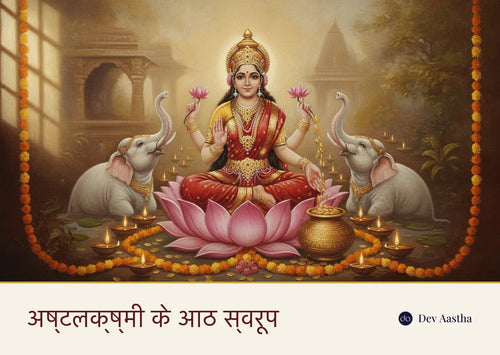
Kojagari Purnima is the night people stay awake to welcome Goddess Lakshmi. The name comes from the words ko jagarti, meaning "who is awake". Lakshmi is believed to walk the earth this night, asking that question, and to bless the homes she finds lit, clean and watchful.
This is why the kojagari lakshmi puja centres on a night vigil rather than a single aarti. Families keep a lamp burning, leave the front door and windows open or well-lit, and stay up singing, playing games and praying until late.
An old custom is to play chausar or dice through the night, a light-hearted way to stay awake together. The point is presence: a home that is awake and welcoming is a home ready to receive good fortune.
You do not need an elaborate setup. A clean altar, a silver-plated Lakshmi idol or picture, a lit diya, and a heartfelt prayer are enough. Households that keep a fuller Lakshmi murti on their mandir simply bring the night's offerings to it.
The full step-by-step Lakshmi puja most people know is the Diwali one. Sharad Purnima keeps it lighter and quieter, so for the detailed aarti and mantra sequence, follow our Lakshmi Puja Vidhi for Diwali guide and adapt it to the night vigil.
How the night is celebrated across India
One full moon, many names. Sharad Purnima is observed from Bengal to Gujarat to Braj, and each region gives it a different heart, from Lakshmi worship to Krishna's Raas Leela to a festival for daughters.
| Region | Name | What it centres on |
|---|---|---|
| Bengal, Odisha | Kojagari Lakshmi Puja | Night vigil and Lakshmi worship for prosperity |
| Maharashtra | Kojagiri Purnima | Masala doodh under the moon, family gatherings |
| Odisha | Kumar Purnima | Unmarried girls honour Kartikeya and the moon |
| Gujarat | Sharad Poonam | Garba, doodh-poha and moon-viewing |
| Braj (Mathura, Vrindavan) | Raas Purnima | Krishna's Maha Raas dance with the gopis |
In Braj, this is the night of Krishna's Maha Raas. Temples in Vrindavan and Mathura hold Raas Leela through the small hours, and devotees believe Krishna danced with the gopis under this very moon, each one feeling he danced only with her.
In Odisha, Kumar Purnima is a bright, tender festival where young girls rise at dawn, dress up and pray to Kartikeya (Kumar) and the sun and moon for a good future. In Maharashtra, families gather on terraces for spiced, saffron-scented milk under the full moon, a warm, social version of the same amrit idea.
The threads that connect all of them are the moon, milk, and the wish for a prosperous, healthy year ahead. Sharad Purnima sits in the same Ashwin season as Sharad Navratri, closing the goddess fortnight and opening the road to Diwali.
A simple Sharad Purnima puja at home
A home observance needs only a clean space, kheer, a lamp and the moon. Here is an easy sequence a family can follow on the evening of 25 October 2026, without any special priest or elaborate samagri.
- Clean and prepare. Tidy the puja area and the terrace or window where you will place the kheer. Bathe and wear fresh clothes in the evening.
- Cook the kheer. Make rice kheer with milk, sugar, cardamom and dry fruits. Keep it a little thin so it sets well overnight.
- Light the lamp and pray. Light a diya before your deity, offer flowers and a little of the kheer, and invite Lakshmi and Chandra into your home.
- Set the kheer under the moon. After moonrise, place the covered kheer in a silver or silver-plated vessel where the moonlight falls on it directly.
- Keep the night vigil. Stay awake as long as you comfortably can, singing bhajans or spending time with family, keeping a lamp lit.
- Share prasad at dawn. Early next morning, offer the moon-blessed kheer to the deity again, then share it with everyone at home.
If you want to keep an heirloom piece for such nights, a silver-plated diya set makes the vigil feel special and lasts for years with simple care.

What to keep in mind, and what to avoid
The ritual is forgiving, but a few details keep it clean and meaningful. These are the practical points families pass on.
- Cover, do not seal. Use fine muslin over the kheer so moonbeams reach it. A tight lid defeats the purpose, and leaving it fully open invites insects.
- Mind the milk. Milk left out overnight can spoil in warm, humid weather. A silver-plated vessel and a covered, breezy spot help; if the night is very warm, use good judgement before eating it.
- Offer before you eat. The kheer is prasad first. Offer it to the deity at night and again at dawn before anyone tastes it.
- Do not fret over clouds. If the sky is overcast, keep the kheer out anyway and hold your prayer with faith. The intent matters more than a perfectly clear view.
- Keep it simple. This is a quiet vrat. You do not need heavy decoration or expense, only a clean space, a lamp and a sincere heart.
Kept this way, Sharad Purnima becomes a calm, restorative pause before the rush of the Diwali season, a night to slow down, look up, and welcome the year's good fortune.
Frequently asked questions
शरद पूर्णिमा 2026 कब है?
शरद पूर्णिमा 2026 रविवार, 25 अक्टूबर 2026 को है। पूर्णिमा तिथि 25 अक्टूबर को सुबह लगभग 11:54 बजे शुरू होकर 26 अक्टूबर को सुबह लगभग 9:40 बजे समाप्त होती है, और मुख्य पूजा व चंद्रमा के नीचे खीर रखने की परंपरा 25 की रात को निभाई जाती है।
Why is kheer kept under the moon on Sharad Purnima?
Kheer is kept under the moon because Sharad Purnima is believed to be the night the moon shines with all sixteen kalas and rains amrit, or nectar. The pale, milky kheer is thought to absorb this cool, healing light, turning it into auspicious prasad shared at dawn.
What is the difference between Sharad Purnima and Kojagari Purnima?
They are the same night. "Sharad Purnima" names the autumn full moon of Ashwin, while "Kojagari Purnima" names the same night by its Lakshmi-worship custom of staying awake, from ko jagarti ("who is awake"). Bengal and Odisha most often use the Kojagari name.
Which vessel is best for Sharad Purnima kheer?
A silver or silver-plated vessel is traditional, because silver is the metal of Chandra, the moon, and is naturally hygienic for milk. If you do not have one, a clean steel or glass bowl works too; cover it with fine muslin so the moonlight still reaches the kheer.
Is Sharad Purnima connected to Lakshmi or to Krishna?
Both, depending on the region. In Bengal and Odisha it is a Lakshmi festival (Kojagari Lakshmi Puja) focused on prosperity, while in Braj it is Raas Purnima, the night of Krishna's Maha Raas dance with the gopis. Many homes honour the moon and Lakshmi together.
Do you have to fast on Sharad Purnima?
A fast is optional and varies by family. Some keep a day-long vrat and break it with the moon-blessed kheer, while others simply observe the night with puja and prasad. Choose what suits your household and health.
Explore more
Related guides
- Lakshmi Puja Vidhi for Diwali 2026: Date, Muhurat and Steps
- Navratri 9 Colours 2026: Day-Wise List with Dates
- Hindu Festival & Vrat Calendar 2026
Shop the collection
Featured pieces
Keep reading
More from the journal
Discussion
No comments yet
Share your thoughts or ask a question below.

